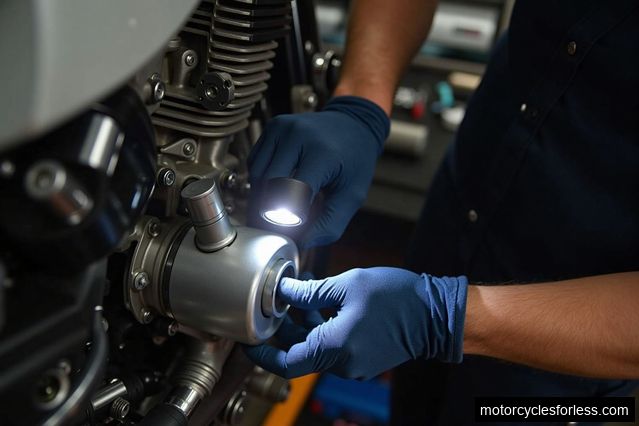
Regular Maintenance and Inspection
One of the most important aspects of cost-effective motorcycle maintenance is performing regular maintenance and inspection. By following the manufacturer's recommended maintenance schedule, you can catch potential issues early on and prevent them from turning into costly repairs. Regularly check the oil levels, brake fluid, and tire pressure to ensure optimal performance and safety. Additionally, inspect the chain, sprockets, and brakes for any signs of wear and tear.
Proper Cleaning and Lubrication
Cleaning and lubricating your motorcycle is another essential cost-effective maintenance tip. Dirt and grime can accumulate on various parts of the bike, leading to premature wear and damage. Regularly wash your motorcycle with a mild detergent and water, then dry it thoroughly to prevent rust. Apply a suitable lubricant to the chain, cables, and other moving parts to reduce friction and ensure smooth operation.
Tire Maintenance
Proper tire maintenance is crucial for both performance and safety. Check the tire pressure regularly and ensure it matches the manufacturer's recommendations. Underinflated tires can lead to poor handling and increased fuel consumption, while overinflated tires can result in reduced traction and a harsher ride. Additionally, inspect the tread depth and look for any signs of uneven wear. Replace worn-out tires promptly to maintain optimal grip and stability.
Chain Maintenance
The chain is an integral part of a motorcycle's drivetrain, and proper maintenance is essential for smooth power delivery. Regularly clean the chain with a suitable chain cleaner and brush to remove dirt and debris. After cleaning, apply a high-quality chain lubricant to ensure proper functioning and prevent premature wear. Additionally, check the chain tension and adjust it as necessary to avoid excessive slack or tightness.
Fuel Efficiency and Riding Habits
Adopting fuel-efficient riding habits can significantly reduce maintenance costs in the long run. Avoid aggressive acceleration and high speeds, as these can put excessive stress on the engine and consume more fuel. Smooth and gradual acceleration, maintaining a consistent speed, and anticipating traffic can all contribute to better fuel efficiency and reduced wear on the motorcycle's components. Additionally, be mindful of the gear selection and avoid unnecessary clutch slippage to preserve the clutch's lifespan.
Proper Storage
When not in use, properly storing your motorcycle is crucial to prevent damage and maintain its condition. Park it in a dry and covered area to protect it from the elements. If you live in a region with harsh winters, consider using a motorcycle cover or storing it indoors to avoid exposure to cold temperatures and moisture. Before storing, ensure the fuel tank is filled to prevent condensation and add a fuel stabilizer to prevent fuel degradation.